
The concept of a “Golden Goddess” is not fixed, but rather an umbrella term encompassing various deities across different cultures and mythologies that share distinct characteristics. This multifaceted notion has been interpreted and reinterpreted Golden Goddess over time through diverse cultural influences.
Celtic and European Traditions: Brigid as the Golden Goddess
In Celtic mythology, particularly in Irish tradition, Brigid is considered one of the primary goddesses associated with fertility, poetry, and wisdom. Often depicted with a fiery spirit, she is often linked to spring growth and protection. During festivals like Imbolc, which marks the beginning of spring, her legacy lives on through rituals celebrating renewal.
Greek Mythology: Aphrodite as a Golden Goddess
The ancient Greeks revered Aphrodite as their primary deity for love, beauty, and fertility. Known as the ‘Golden One’, she symbolized an era of harmony between the natural world and humanity’s understanding of it. Like Brigid in Celtic tradition, her persona radiates hope during moments like spring equinoxes, solidifying her significance.
Egyptian Pantheon: Isis and Nephthys
Ancient Egyptian mythology introduces us to two key figures embodying aspects of femininity and divine might – Isis, the mother-goddess who protected the pharaohs, and Nephthys as a goddess associated with death but also capable of healing. These personas are often collectively linked under various interpretations as ‘Golden Goddess’, reinforcing themes of protection and nurturing love.
East Asian Philosophical Context: Yin-Yang Conceptualization
In Eastern philosophical frameworks such as Taoism and Confucianism, concepts like yin-yang offer rich dimensions to interpreting divinity. This duality symbolizes a perfect balance between male (yang) energies associated with creativity and aggression and female (yin) aspects tied to nurturing receptivity and intuition. The harmonious relationship of these principles aligns closely with themes found in Western goddess worship.
Types or Variations:
-
The Great Mother : This archetype can embody the collective power, resilience, and fertility attributed to various goddess figures across cultures.
-
Shakti Goddesses : In Hinduism and Buddhism, feminine forms are seen as manifestations of divine energy (shakti), where individual attributes may correspond with aspects like strength or compassion.
-
Astronomical Representations: Connections between stars and celestial bodies can link to goddess figures. For example, in some ancient societies, the lunar cycle was closely tied to female deities.
Legal and Regional Context:
Legislation surrounding symbols of faith has fluctuated through time and geographically among diverse cultures. This includes challenges faced by adherents seeking to practice certain religious observances publicly or privately within areas dominated by secular norms. Specific interpretations may find legal support under specific regional laws, underscoring cultural diversity.
Free Play vs Real Money:
In contexts discussing games, applications, or simulations referred to as “Golden Goddess”, differentiation often occurs between the nature of engagement; a distinction is generally observed for two types of experience – one where play involves non-monetary investments (free play) and another involving actual financial transactions. These differing modes offer unique aspects of human interaction with these concepts.
Common Misconceptions or Myths:
One enduring myth lies in a perceived strict association between femininity and divine power, neglecting the presence of male divinities embodying nurturing qualities as well. Furthermore, some historical events may have skewed interpretations, casting an inaccurate representation of cultural reverence for feminine aspects in ancient contexts.
Overall Analytical Summary
This examination encapsulates various expressions underpinning the multifaceted term “Golden Goddess”, highlighting a complex interweaving between distinct mythological and symbolic perspectives across different eras. While specific nuances vary depending on regional cultural context, it becomes clear that such deities often serve as potent symbols for feminine power and life-giving capacities within diverse societies.
These examples illustrate how the ‘Golden Goddess’ concept transcends geographical boundaries through various interpretations of divinity, reinforcing a rich tapestry of human culture, philosophy, and spiritual exploration.

Thuê Xe Du Lịch 16 Chỗ Tại Buôn Ma Thuột – Lựa Chọn Hoàn Hảo Cho Chuyến Đi Đắk Lắk

Thuê xe du lịch tại Buôn Ma Thuột – Giải pháp tiện lợi cho hành trình khám phá Đắk Lắk

Dịch vụ thuê xe du lịch Đắk Lắk chất lượng cao – Giá tốt – Xe đời mới
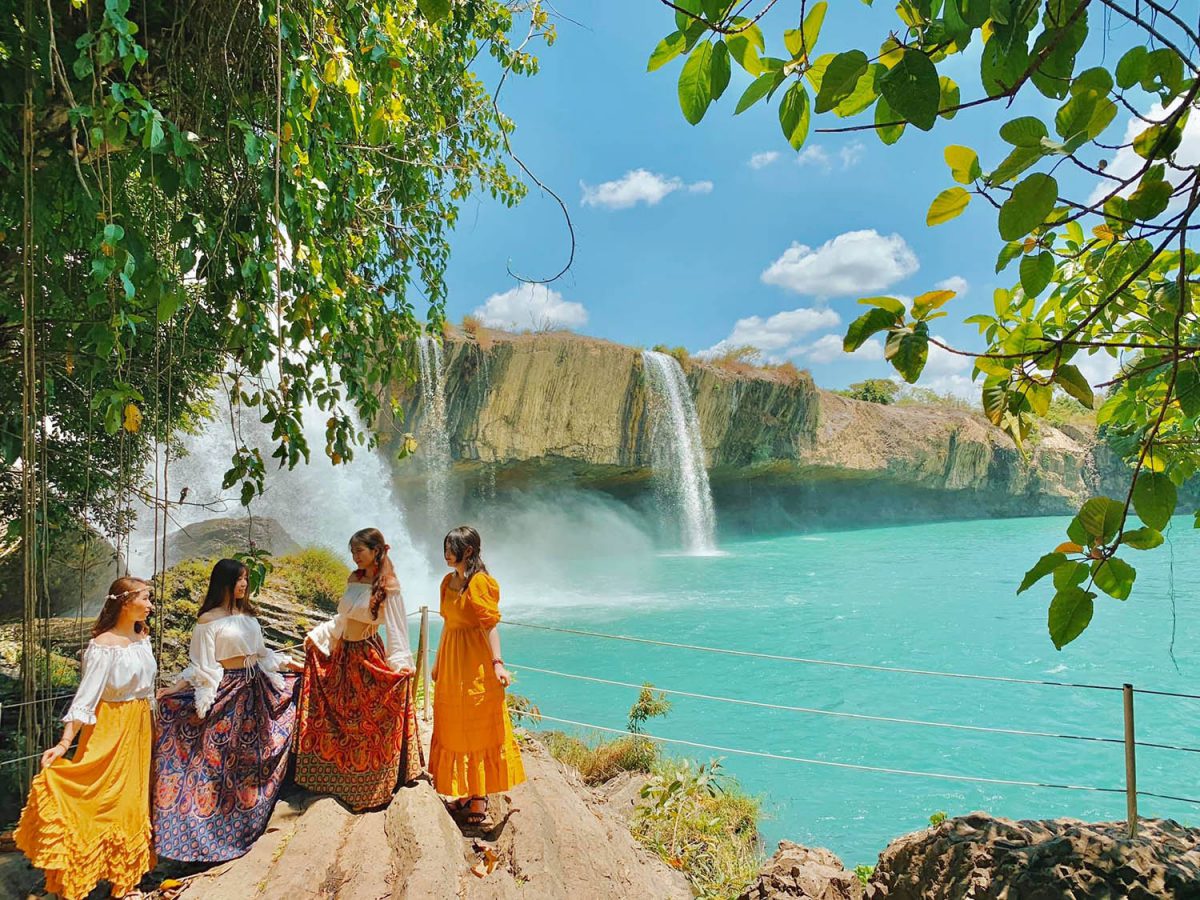
Đến ngay top 9 địa điểm du lịch Buôn Ma Thuột đẹp mê hồn