

By recognizing revenue and expenses when they are earned or incurred, companies can provide a more accurate picture of their financial performance and position. Generally accepted accounting principles (GAAP) opposite of accrual require businesses to recognize revenue when it’s earned and expenses as they’re incurred. Often, however, the timing of a payment may differ from when it’s received or an expense is made, so accrual and deferral methods are used to adhere to accounting principles.
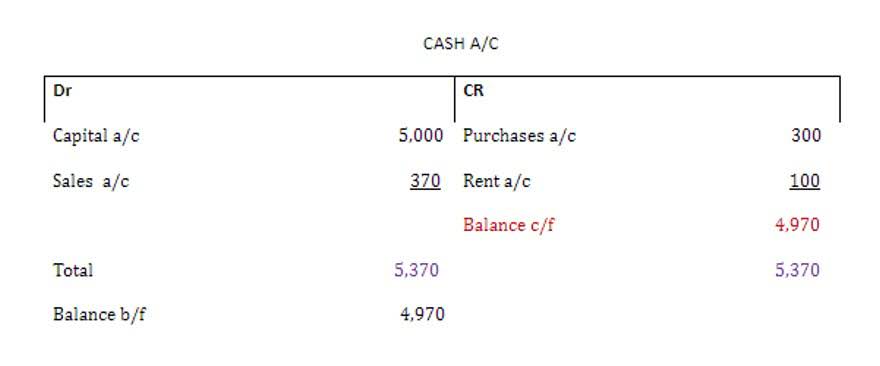
The Relationship between Accrual Accounting and Cash Accounting
The principles of accrual accounting include the revenue recognition principle, the matching principle, adherence to GAAP, and consistency in accounting methods. Taxpayers are typically required by the appropriate taxation authority to consistently use the method of accounting that accurately captures the entity’s true income. Consistency is essential since the swapping of accounting methods can potentially create loopholes that a company can use to manipulate its revenue and reduce tax burdens. In general, cash accounting is allowed for sole proprietorships and small businesses, whereas large businesses will typically use accrual accounting when preparing its tax returns. Under cash accounting, income and expenses are recorded when cash is received and paid. In contrast, accrual accounting does not directly consider when cash is received or paid.
Need synonyms for accrual? Here’s a list of similar words from our thesaurus that you can use instead.
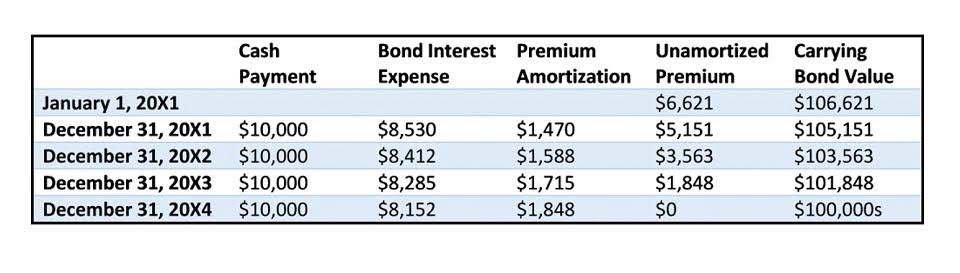
These antonyms convey the opposite meaning of accrue, which means to accumulate or increase over time. Understanding antonyms of “accrue” isn’t just about expanding your vocabulary; it’s about enhancing your clarity in communication. Whether you’re writing business reports, crafting essays, or simply talking about financial matters, using the correct opposite provides precision. However, during this period, Joe is not receiving his bonuses, as would be the case with cash received at the time of the transaction. Embracing the contrast between accruing and depleting provides valuable insights into managing assets, fostering financial stability, and achieving long-term success.

Impact on Financial Statements

As soon as a product is sold or purchased on credit, it gets recorded into the appropriate receivable or payable account, so that businesses are fully aware of their cash flow, and never miss a payment. The accounting system of a business follows the double-entry system of bookkeeping. This system of bookkeeping states that business transactions will Cash Disbursement Journal be recorded in two different accounts in the accounting system of a business. This is because, according to the double-entry concept, a transaction affects, at least, two accounts. These transactions are first analyzed and then recorded in two corresponding accounts for the business transaction.
GAAP compliance also helps businesses https://ksdigitalaustralia.com.au/question-one-a-explain-the-following-generally/ appear more trustworthy in the eyes of financial and tax institutions, government authorities, investors, and other interested third-parties. Businesses can get data on what goods and services are selling best, what product departments are growing, and which ones might need re-investments in the future. Artificial Intelligence (AI) has rapidly transformed financial management processes across businesses. However, the misuse of AI systems can lead to costly errors, inefficiencies, and missed opportunities.

Categories in Accrual Accounting
- It provides a more accurate picture of a company’s financial health, making it easier to make informed decisions.
- The accrual concept in accounting refers to the practice of recording transactions when they occur, regardless of when cash is received or paid.
- In the next period of reporting, the balance sheet of ABC Co. will not report the accrued income in the balance sheet as it has been eliminated.
- Intangible assets that are deferred due to amortization or tangible asset depreciation costs might also qualify as deferred expenses.
The year end closing process is used to convert the books from a cash to accrual basis. This results in recognition of accrued expenses, accounts receivables, deferred revenue, and prepaid assets. Accruals occur when the exchange of cash follows the delivery of goods or services (accrued expense & accounts receivable). Deferrals occur when the exchange of cash precedes the delivery of goods and services (prepaid expense & deferred revenue). Journal entries are booked to properly recognize revenue and expense in the correct fiscal year.
- For example, your nonprofit might receive a pledge from a donor in December but not get the actual funds until March.
- This means that revenue is recognized when it is earned, even if the payment is not received until a later date.
- She is a former CFO for fast-growing tech companies with Deloitte audit experience.
- One of the key benefits of accrual accounting is that it allows companies to match revenue and expenses more accurately.
- The accrual basis of accounting is generally preferred over the cash basis because it provides a more accurate picture of a company’s financial position.
The system automatically categorizes expenses and populates expense reports. If you want to learn more about how to handle accounting for your new startup, we have a complete guide on accounting for startups you can check out. In this article, we will cover the accrual vs deferral and its keys differences with example.

Thuê Xe Du Lịch 16 Chỗ Tại Buôn Ma Thuột – Lựa Chọn Hoàn Hảo Cho Chuyến Đi Đắk Lắk

Thuê xe du lịch tại Buôn Ma Thuột – Giải pháp tiện lợi cho hành trình khám phá Đắk Lắk

Dịch vụ thuê xe du lịch Đắk Lắk chất lượng cao – Giá tốt – Xe đời mới

Đến ngay top 9 địa điểm du lịch Buôn Ma Thuột đẹp mê hồn