
Census predicts that over half of the nation’s population will be people of color, so this trend will likely continue. However, what is different between cultures are the gestures we choose to use. Think about a time you were very angry; did you clench your teeth or ball up your fists? In most cultures, these cues that reveal emotional states are quite common, largely because they are linked to a body’s physiological state during those periods of emotion. In Spain, rhythmic hand clapping, known as “palmas,” is a form of communication and expression often used in flamenco performances.
Body Language In Eastern Cultures
Over 10,000 facial expressions were created for the study and shown to different western cultures and isolated, pre-literate African groups. Body language customs are different across cultures, especially in reference to levels of appropriate eye contact and the use of hand gestures. By understanding these differences, you can become more aware of how you’re coming across to others. Similarly, the “thumbs up” gesture is considered positive and encouraging in many Western countries. However, in countries like Greece, the Middle East, and West Africa, it is rude or vulgar. It is essential to research and understand the cultural context of gestures before traveling or engaging with individuals from different countries.
By being mindful of non-verbal cues, we can better navigate interactions in an increasingly interconnected world. Some studies suggest it constitutes more than half of the overall message. Misinterpretations of non-verbal cues can easily lead to misunderstandings in cross-cultural interactions, sometimes resulting in offense or confusion. Recognizing and adapting to these differences is a fundamental skill for travellers, business professionals, and anyone interacting with people from diverse backgrounds. Watch how locals interact with each other and adapt your behavior accordingly. When in doubt, it’s better to be more reserved and avoid offensive gestures or actions.
These culturally responsive teaching strategies will help you to promote diversity in the classroom. Body language is one of the most direct forms of non-verbal communication. But while certain forms of body language may seem universal, there are significant cultural differences.
A general and accepted way of saying ‘Hello’ in western culture is a brief handshake. A great deal of importance has been placed on how one should shake hands. Furthermore, the ideal way to greet someone in India is by touching their feet, not by shaking their hand. However, besides a few exceptions, body language around the world is often universally understood, especially facial expressions and emotions. Respectful greetings vary; handshakes are common in the West, while bows are used in East Asia, and placing a hand on the heart is respectful in parts of the Middle East. Some cultures may suppress facial expressions to maintain harmony or show politeness, which can be misinterpreted by people from more expressive cultures.

In Hinduism, the namaste gesture is more than a greeting; it is a way to show respect for others, aligning with spiritual beliefs of interconnectedness. In Japan, silence is often a sign of thoughtfulness or respect, especially in business settings. Sitting cross-legged is seen as disrespectful in Japan, especially in the presence of someone older or more respected than you. In Thailand and Laos, it is taboo to touch anyone’s head, even children. In South Korea, elders can touch younger people with force when trying to get through a crowd, but younger people can’t do the same.
Thumbs Up In Iran
Furthermore, the appropriate duration of eye contact also differs among cultures. In some Middle Eastern and Native American cultures, extended eye contact is seen as a sign of respect and engagement, while in Nordic countries, shorter periods of eye contact are preferred. It’s crucial to be mindful of these cultural variations to effectively communicate and build rapport with individuals from different backgrounds. When greeting someone in India, the traditional “Namaste” gesture is commonly used.
According to Forbes (2019), body language accounts for what is Charmerly dating site more than 50% of communication. There isn’t much place in between when it comes to body language; it either works for you or against you. This research has discovered a wide range of results on the kind of body language that best illustrate a point, demonstrate confidence, and help explain a difficult-to-understand subject. In Asia and the Middle East, resting the ankle over the other knee risks pointing the sole of your shoe at another person, which is considered a very rude gesture.
Acknowledge And Respect Every Student
- Body language makes up the largest part of our non-verbal communication – eye contact, gestures, and facial expressions can convey powerful messages.
- In some places, they signify approval, while in others, they may be considered rude.
- For example, it’s common to bow slightly or nod your head when greeting someone.
- While both right and left hands have equal status in the West, the right hand has special significance and the left hand is ‘dirty’ in the Middle Eastern and some Asian countries.
The problem arises because some gestures or actions in different cultures are the same, but have vastly different meanings. A lot of times, a harmless gesture in our culture could be insulting to someone from another culture. For example, the ‘OK’ symbol is used as a ‘superb’ symbol in India, but go to Turkey and flash the ‘OK’ sign and you’re asking for a fight, as this symbol is considered offensive.
For instance, access to a computer at home or reliable internet access is not a given for some children. Teachers should be aware of this and the stress it may cause students who may struggle due to a lack of resources. A person’s skin color can have a great impact on their experience in society. It can also impact how they view themselves and others when engaging in classroom activities.
The Japanese absolutely detest being touched; if you’ve seen their typical greeting, they bow to someone standing in front of them to greet them—no handshakes. Keep in mind that these are generalizations, and individual variations exist within each country and culture — sometimes even between regions or genders. Finally, globalization and increased cultural interactions are leading to more cross-cultural understanding and shared interpretations of facial expressions.
However, it’s essential to respect personal space and not initiate physical contact with someone you have just met, unless they initiate it first. On the other hand, direct physical contact such as hugging or kissing may be reserved for close friends or family members. Americans also tend to use a lot of hand gestures while speaking to emphasize their point, so it’s important to pay attention to these cues.
Diversity in and out of the classroom will continue to grow, so it’s essential we prepare students to adapt to an evolving world and embrace those different from themselves. Learn more how the programs at the Drexel School of Education are helping to prepare more culturally-responsive educators today. Proxemics, or the study of how people use space in communication, varies widely between cultures. What is seen as a comfortable distance in one culture may be perceived as too close or too far in another. If you’re British, or part of a country that was once colonized, you would be holding up your index and middle finger. But if you’re European, your thumb and index finger would denote the number.
The number of kisses varies depending on the region and the relationship between the people involved. Body language serves as a powerful tool for communication, but its interpretation varies across cultures. By understanding and respecting the body language norms of different cultures, we can bridge communication gaps, build stronger relationships, and foster cross-cultural understanding. Remember, effective communication goes beyond words, and the ability to interpret non-verbal cues can lead to meaningful and successful interactions in today’s globalized world. When it comes to communication, words are just a small part of the equation.
Imagine that sturdy thumb and sitting on it, because that’s what the gesture is trying to say. The Swiss kiss is a common way to greet family and close friends, especially when it’s girl-and-girl or girl-and-boy. Between men, not so much—they usually do with a warm handshake, unless they’re really close. Each of us knows how to use our body parts to send messages but not many of us realize that people in different parts of the world ‘speak’ different body languages. A signal for ‘yes’ in one culture may mean ‘no’ in another; a gesture for ‘good-bye’ in one culture can be interpreted as ‘come here’ in another.

Thuê Xe Du Lịch 16 Chỗ Tại Buôn Ma Thuột – Lựa Chọn Hoàn Hảo Cho Chuyến Đi Đắk Lắk

Thuê xe du lịch tại Buôn Ma Thuột – Giải pháp tiện lợi cho hành trình khám phá Đắk Lắk

Dịch vụ thuê xe du lịch Đắk Lắk chất lượng cao – Giá tốt – Xe đời mới
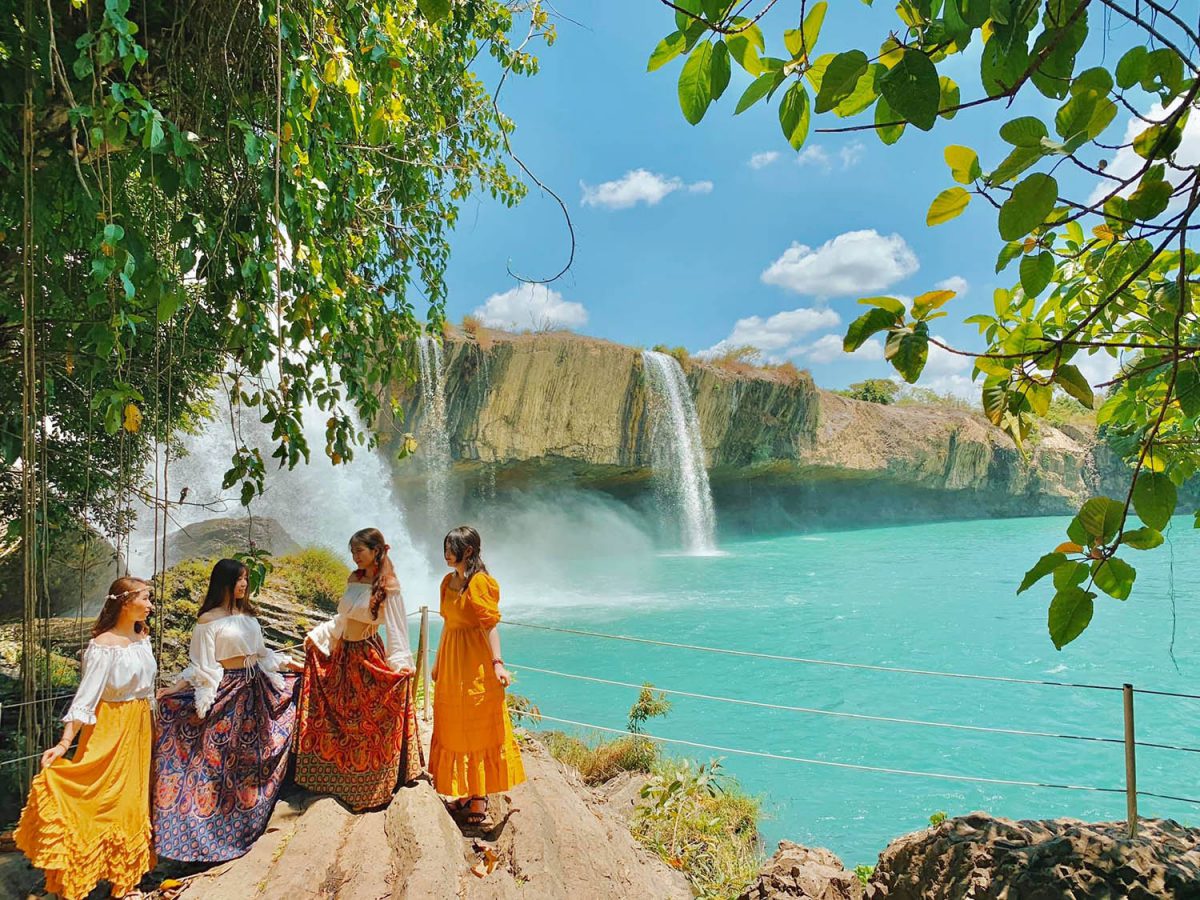
Đến ngay top 9 địa điểm du lịch Buôn Ma Thuột đẹp mê hồn