
Global tensions are escalating as a surprise diplomatic rift emerges between major world powers, with leaders trading sharp words overnight. Stay tuned for the latest updates on this developing story and how it could reshape international alliances. We’re keeping an eye on the reactions from key capitals so you don’t miss a beat.
Global Flashpoints: Unfolding Stories Right Now
The current global landscape is defined by multiple, concurrent flashpoints demanding urgent attention. In Ukraine, a grinding war of attrition continues, with recent drone strikes and ground offensives shifting front-line dynamics, geopolitical instability deepening across Eastern Europe. Simultaneously, the Middle East crisis remains volatile, as the conflict between Israel and Hamas extends into a prolonged phase, triggering humanitarian alerts across Gaza and escalating cross-border tensions with Hezbollah. Meanwhile, political paralysis in Haiti has created a power vacuum, fueling rampant gang warfare and a humanitarian catastrophe in the capital. Further east, the ongoing civil war in Myanmar shows no sign of abatement, with junta forces losing territorial control to allied resistance groups. These diverse crises, from the Sahel’s coups to rising great-power rivalry in the South China Sea, collectively stress global governance systems and test the limits of international diplomacy.
Diplomatic Tensions: Sudden Escalations on the World Stage
Across the globe, tensions are simmering from the South China Sea to Eastern Europe. In Ukraine, the long shadow of war grows heavier as winter deepens, with critical infrastructure pummeled and civilians huddling in dark cities. Meanwhile, in the Middle East, the Israel-Hamas conflict shows no sign of abating, forcing entire communities into a desperate search for safety and sparking protests worldwide. *Geopolitical hotspots demand constant attention.* To the east, Taiwan faces unprecedented military pressure, with drills simulating blockades that rattle global trade routes. Sudan’s brutal civil war continues to shred lives, creating the world’s largest displacement crisis. Each story is a slow-burn fuse, threatening to reshape alliances and ignite wider chaos.
Emergency Summits: Leaders Convene Amidst Security Threats
Across the globe, simmering tensions are now boiling into urgent crises that demand attention. In the Middle East security landscape, the Israel-Hamas conflict has expanded into a volatile regional proxy war, with Hezbollah rockets from Lebanon and Houthi strikes from Yemen redrawing the map of fear. Meanwhile, the war in Ukraine grinds into its third winter, with both sides locked in brutal trench warfare as depleted arsenals shift the battle lines inch by inch. Diplomatic channels remain choked with mistrust.
- Sudan: Civil war between the army and Rapid Support Forces has created the world’s largest internal displacement crisis, with famine looming in Darfur.
- Taiwan Strait: China’s unprecedented military exercises around the island test the limits of U.S. deterrence, turning shipping lanes into geopolitical tripwires.
- Sahel Region: Islamic State-linked insurgencies topple fragile governments, with Burkina Faso and Mali now epicenters of jihadist expansion.
Major Geopolitical Shifts
The global order is undergoing a stark transformation, driven by the rise of multipolarity. The old dominance of a single superpower is fading, replaced by a more chaotic and fragmented landscape where nations like China, India, and a resurgent Russia aggressively carve out their own spheres of influence. This isn’t just about military might; it’s about economic leverage through initiatives like the Belt and Road, and direct challenges to long-held Western norms. Meanwhile, the Global South is no longer a passive bystander, leveraging resource wealth and strategic alliances to demand a seat at the table. We’re seeing traditional alliances strain under new pressures—from trade wars to energy dependencies—forcing everyone to constantly pick sides or navigate a dangerous tightrope between competing power blocs. It’s a messy, fast-moving game of chess with no clear winners yet.
Border Conflicts: New Frontlines Emerging Across Continents
The global balance of power is undergoing a significant realignment, driven by the rise of China and a concurrent decline in U.S. unipolar influence. This shift is marked by the fragmentation of global governance, with institutions like the UN and WTO facing multilateral gridlock as regional blocs gain prominence. Key developments include the weaponization of economic interdependence through sanctions and supply chain decoupling, particularly in the semiconductor and energy sectors. A clear indicator of this new landscape is the assertive non-alignment of nations like India and Brazil, who navigate between superpowers to maximize strategic autonomy. Multipolar competition defines the current geopolitical order.
- Rise of the Global South as a collective political force.
- Arctic melting creating new resource and maritime competition.
- Expansion of BRICS as a counterweight to Western-led blocs.
Q: Is the current shift merely a return to Cold War bipolarity?
A: No, today’s landscape is more fragmented and complex. Unlike the rigid U.S.-Soviet binary, current tensions involve multiple powerful actors (China, U.S., EU, India) and overlapping economic interdependencies that prevent a clear two-block division.
Treaty Breakdowns: Key Agreements Halted or Revoked
The old unipolar order, once anchored by a single superpower, is dissolving into a chaotic multipolar reality. This shift isn’t a single event but a slow-motion collision of rising ambitions and crumbling alliances. The Russia-Ukraine war exposed NATO’s renewed purpose, while the Indo-Pacific power struggle sees the U.S. and China locking horns over trade routes, technology, and influence in Southeast Asia. Meanwhile, the Global South—from Brazil to India—demands a louder voice, rejecting proxy rivalries and forging independent economic blocs. The energy crisis has weaponized pipelines, and strategic corridors like the Arctic are thawing into new arenas for competition. Every diplomatic handshake now carries the weight of a world redrawing its battle lines.
Economic Earthquakes
Economic earthquakes strike without warning, sending seismic shocks through global markets and erasing trillions in value overnight. The 2008 financial crisis was the most devastating modern tremor, ignited by subprime mortgage collapses that toppled banking titans and triggered a global recession. More recently, supply chain disruptions and inflation surges have shown how fragile growth remains. To shield against these disruptions, investors must prioritize diversified asset allocation and maintain robust liquidity. Only those who grasp that volatility is the market’s natural state can capitalize on the upheaval. By studying historical patterns and steering clear of herd mentality, one can turn these destructive shocks into opportunities for strategic repositioning and long-term wealth creation.
Market Turmoil: Currency Crashes Trigger Global Alarm
The global economy is not a stable landmass but a restless tectonic plate, with financial crises as economic earthquakes. These shocks begin as faint tremors—a housing bubble here, a bank failure there—before the ground splits. The 2008 crisis, for instance, started as a rattle in subprime mortgages, then cascaded into a global recession. When the epicenter hits, it triggers a series of aftershocks:
- Sudden liquidity freezes, where credit dries up overnight.
- Mass layoffs and bankruptcies, shaking households and industries alike.

The real devastation, however, lies in the long, grinding recovery—the rebuilding after the quake has passed, leaving economies forever reshaped by the fault lines of their own excess.
Sanctions Surprise: Game-Changing Trade Bans Announced
Economic earthquakes strike without warning, sending shockwaves through global markets and upending the livelihoods of millions. These sudden crises—triggered by bank collapses, supply chain ruptures, or policy missteps—can erase trillions in value overnight. Unlike natural disasters, their epicenters are often invisible until the ground buckles under investor confidence. Global financial volatility acts as the Richter scale for these events, measuring the intensity of capital flight and currency devaluation.
- Banks freeze lending, halting business growth.
- Unemployment spikes as companies slash costs.
- Households face soaring prices and lost savings.
A single default can topple towers of leveraged debt, proving that in finance, nothing is truly stable.
The aftershocks linger for years, reshaping industries and forcing governments to choose between bailouts and austerity. No economy is immune—only those that diversify and build reserves can ride out the tremors.
Humanitarian Crises on the Rise

Humanitarian crises are spiking worldwide, driven by a toxic mix of climate disasters, prolonged conflicts, and economic instability. From Sudan’s brutal civil war to the ongoing displacement in Gaza and Ukraine, millions are facing acute hunger, disease, and violence. These emergencies stretch resources thin, with global relief efforts struggling to keep pace with mounting needs. The United Nations reports that over 360 million people now rely on aid—a staggering number that reflects both broken systems and a lack of political will. Food insecurity is particularly alarming, as drought and supply chain disruptions push entire regions to the brink of famine. Without a serious push for ceasefires and climate adaptation, we risk normalizing a world where survival, not dignity, becomes the baseline for millions.
Refugee Waves: Mass Displacement Following Catastrophic Events

Humanitarian crises are escalating globally due to intensifying climate change, protracted armed conflicts, and economic instability. Global forced displacement levels have reached unprecedented highs, overwhelming aid systems. These emergencies, often compounded by food insecurity and disease outbreaks, require immediate, coordinated intervention.
The current trajectory demands a shift from reactive aid to proactive risk reduction and resilient infrastructure.
Key drivers of this surge include:
- Prolonged conflicts in regions like the Sahel and Ukraine disrupting supply chains and displacing populations.
- Climate shocks (droughts, floods) destroying crops and livelihoods, particularly in vulnerable nations.
- Economic collapse in resource-limited states, reducing access to basic healthcare and clean water.
To mitigate these trends, experts advocate for multi-year funding commitments and localized, community-led response frameworks that prioritize long-term recovery over short-term relief.
Aid Blockades: Urgent Supplies Halted by Political Stalemates
Humanitarian crises are escalating globally due to intensifying conflict, climate-related disasters, and economic instability. The number of people requiring emergency aid has surged dramatically, with over 300 million individuals projected to need assistance in 2024. Global displacement crises are a primary driver, as wars in Sudan, Gaza, and Ukraine have forcibly displaced millions, overwhelming host nations and humanitarian funding. Concurrently, extreme weather events—such as floods in Pakistan and droughts in the Horn of Africa—compound vulnerabilities, destroying livelihoods and food supplies. These complex emergencies strain international response capacity, often leaving critical gaps in shelter, healthcare, and clean water access. The convergence of protracted conflicts and climate shocks guarantees continued deterioration, demanding urgent, coordinated global action to prevent further catastrophic outcomes.
Natural Disasters & Climate Urgency
The accelerating frequency and intensity of climate-related natural disasters demand immediate, expert-driven adaptation. From unprecedented heatwaves and catastrophic floods to rapidly intensifying hurricanes, these events are no longer anomalies but systemic indicators of planetary stress. As a specialist, I emphasize that mitigation alone is insufficient; we must prioritize resilient infrastructure, early-warning systems, and nature-based solutions to buffer vulnerable communities. The data is unequivocal: every 0.1°C of warming amplifies hydrometeorological hazards. Proactive planning—rather than reactive relief—represents the only viable pathway to reducing long-term socioeconomic disruption and preserving ecological stability.
Seismic Shocks: Devastating Earthquakes Hit Populous Regions
From blazing wildfires to catastrophic floods, natural disasters are striking with unprecedented intensity, directly fueled by our warming planet. The climate urgency demands immediate action as these events shatter records, displacing millions and crippling economies overnight. Climate change amplifies disaster frequency and severity, turning once-rare phenomena into annual crises. Each superstorm and heatwave serves as a stark warning that delaying emission cuts locks in greater devastation. The window to act is narrowing, but every mitigation effort—from renewable energy adoption to ecosystem restoration—offers a lifeline against nature’s escalating fury.
Extreme Weather: Unprecedented Storms Wreak Immediate Havoc
Climate urgency is no longer a distant threat but the primary driver of escalating natural disasters worldwide. We are witnessing a stark acceleration in the frequency and intensity of catastrophic events, from record-breaking heatwaves and uncontrollable wildfires to devastating floods and supercharged hurricanes. This is not a cycle; it is a direct consequence of a warming planet, and inaction is not an option. The science is unequivocal, demanding immediate, systemic change to mitigate these risks. The link between climate change and extreme weather is undeniable. Failing to act decisively now will lock in a future of perpetual crisis, where resilience is overwhelmed by the sheer force of nature’s new, volatile reality.
Breaking Tech & Cyber Threats
Breaking tech news today highlights a surge in cybersecurity vulnerabilities targeting everyday smart devices. Hackers are exploiting weak passwords in home routers and IoT gadgets, turning them into botnets for massive DDoS attacks. Meanwhile, a new phishing campaign uses AI-generated voice clones to trick corporate employees into transferring funds. Ransomware groups have also evolved, now stealing and leaking data before encrypting files—pressuring victims even if they have backups. The rise of quantum computing threatens to break current encryption standards, though practical attacks remain years away. For regular users, simple steps like enabling multi-factor authentication and updating firmware remain your best defense. Staying informed helps you avoid becoming the next headline about a data breach or account takeover.
Infrastructure Attacks: Power Grids Crippled by Coordinated Hacks
The hum of a server room was shattered not by a crash, but by an algorithm that unpicked its own code. Breaking tech & cyber threats now move faster than patches can deploy. A zero-day exploit doesn’t knock—it borrows your keys, slips through the backdoor, and rewrites the ledger while you check your email.
Consider the anatomy of a modern breach:
- A phishing link disguised as a calendar invite.
- AI-generated voice cloning to bypass verification.
- Ransomware that encrypts backups before they can sync.
The old perimeter is dead. Every endpoint is a border.
Q: Are small businesses targets?

A:
Data Leaks: Sensitive Government Files Released in Real Time
The old bank’s servers hummed, a digital heartbeat they trusted. Then, a cybersecurity threats in 2025 phantom tapped the line. Not a brute-force smash, but a ghost: a deepfake of the CEO whispering password resets. It wasn’t a breach; it was a possession. The aftermath revealed a grim playbook:
- Zero-day exploits were traded like baseball cards on dark forums.
- AI-written malware mutated mid-attack, learning defenses on the fly.
- Ransomware didn’t lock data; it threatened to leak it, turning trust into leverage.
The firewall held, but the real target was human. The lesson hit hard: in the age of synthetic voices and phantom code, the most fragile element in any system is the certainty of who—or what—is on the other end of the line.
Health Emergencies & Pandemic Alerts
Health emergencies and pandemic alerts require an immediate, coordinated global response to mitigate widespread harm. The key to effective management lies in rapid surveillance and transparent data sharing between nations and health bodies like the WHO. During a novel virus outbreak, early detection of clusters, coupled with swift implementation of public health measures—such as travel advisories and quarantine protocols—can dramatically reduce transmission rates. Experts stress that communities must have access to clear, actionable information to avoid misinformation. A critical component is ensuring healthcare systems are not overwhelmed, which hinges on pre-planned stockpiles of essential supplies and scalable emergency protocols.
Q: What is the single most important step for individuals during a pandemic alert?
A: Follow official public health guidance without delay. This includes practicing good hand hygiene, wearing appropriate masks in crowded settings, and staying up-to-date with vaccinations. Early compliance with these measures protects both you and your community by breaking chains of transmission.
Outbreak Hotspots: New Viral Strains Strain Healthcare Systems
When the first unusual pneumonia cases surfaced in Wuhan, global health systems barely had time to react. Pandemic preparedness protocols became the world’s only lifeline, as governments scrambled to trace, isolate, and treat. Health emergencies like COVID-19 don’t announce themselves—they simmer in crowded markets, then spill across borders. Within weeks, normal life froze: schools emptied, ICUs overflowed, and mask mandates became law. The alert system worked, but only for those who listened early. Today, the lesson remains stamped in global memory: stockpile vaccines, invest in rapid diagnostics, and never ignore a whisper of a new virus.
Vaccine Race: Urgent Production Halted by Supply Chain Failures
Health emergencies like localized outbreaks or global pandemic alerts demand quick action to save lives. The unpredictable nature of new viruses means we must stay informed through reliable sources like the WHO or CDC. Pandemic preparedness planning is essential for communities to respond effectively. Whether it’s a sudden flu strain or a novel pathogen, key steps include:
- Practicing good hygiene like handwashing
- Staying updated on travel advisories
- Keeping a basic emergency kit at home
Alerts often trigger early lockdowns or mask mandates, which can feel disruptive but are meant to buy time for healthcare systems. Remember, staying calm, following official guidelines, and getting vaccinated when possible are your best bets against serious outbreaks. A little awareness goes a long way in keeping yourself and others safe.
High-Stake Political Upheavals
Political risk assessment must prioritize scenarios of abrupt regime collapse, where sovereign debt default becomes imminent as institutions fracture. In such upheavals, power vacuums trigger emergency capital controls, diplomatic recognitions shift overnight, and pre-existing contracts face nullification. Expert advice dictates maintaining liquidity reserves in jurisdictions insulated from local judicial revision, while monitoring military defection patterns as the definitive leading indicator. The cascade from protest to coup to civil war often compresses into weeks, not years; diversifying physical asset locations and securing secondary citizenship pathways are non-negotiable preparatory steps for anyone with concentrated exposure.
Government Collapses: Sudden Resignations Trigger Power Vacuums
High-stake political upheavals flip the script on normal life, often sparking chaos, protests, or sudden regime changes. These events, like a coup or a snap election, shake the very foundation of a nation, leaving citizens on edge about their rights and safety. Political instability triggers economic fallout fast—markets tumble, currencies slide, and trust evaporates. Think of the Arab Spring or the 2021 Myanmar coup: both began with a spark and ended in years of turmoil. The stakes are sky-high because power vacuums invite violence, while crackdowns can silence dissent permanently. For everyday people, it’s a game of survival—knowing when to speak up or lay low.
- Sudden leadership changes
- Civil unrest and mass protests
- Economic sanctions or freezes
Q: Can ordinary folks prepare for a political upheaval? A: Sure—stay informed via reliable news, keep emergency supplies handy, and avoid flashpoints. But no one can truly brace for the unexpected.
Protests Explode: Mass Demonstrations Overturn Public Order
High-stake political upheavals often erupt from systemic governance failures, triggering rapid power transitions and societal instability. These events, ranging from coups to mass protests, typically involve contested legitimacy and can dismantle decades of institutional order. The sudden collapse of established leadership frequently creates a vacuum filled by competing factions, leading to prolonged conflict. Economic sanctions, foreign intervention, or constitutional crises often serve as catalysts. During such upheavals, essential services may break down, and human rights violations can spike. The aftermath usually demands complex reconciliation efforts, though many nations remain trapped in cycles of instability. Understanding these dynamics is crucial for analyzing global security risks.
Military & Defense Developments
Recent Military & Defense Developments are defined by a shift toward autonomous systems and network-centric warfare. Experts advise that investing in AI-driven surveillance and directed-energy weapons is critical for maintaining strategic deterrence against near-peer adversaries. The focus is on hardening supply chains for critical microelectronics and expanding low-orbit satellite constellations to ensure resilient, jam-proof communications. For ground forces, modernized armored platforms with active protection systems are prioritized, while naval strategies emphasize unmanned underwater vehicles for asymmetric threats. Defense planners should concentrate on multi-domain integration—linking air, land, sea, space, and cyber—to create a seamless kill chain. Neglecting these technological advancements risks obsolescence in modern conflict scenarios where speed and data superiority determine outcomes.

Naval Standoffs: Fleets Confront Each Other in Disputed Waters
Modern military https://www.cerberus.com/media-center/dyncorp-international-announces-completion-of-acquisition-by-affiliates-of-cerberus-capital-management/ & defense developments are overwhelmingly driven by the integration of autonomous systems and AI, shifting focus from raw firepower to algorithmic decision-making speed. Nations are now prioritizing directed-energy weapons and hypersonic glide vehicles to counter advanced integrated air-defense networks. Key trends include:
– Proliferation of low-cost, swarming drones for saturation attacks.
– Development of resilient, disaggregated satellite constellations for multi-domain operations.
– Investment in cyber-electromagnetic activities to degrade adversary C2 nodes.
For force planners, the critical priority is achieving decision superiority through secure, low-latency data links that fuse sensor grids across land, sea, air, space, and cyberspace.
Arms Deals: Surprise Military Pacts Reshape Regional Balances
Military and defense developments are moving fast, with hypersonic weapons becoming a top priority. Countries are pouring cash into drones that can swarm targets and AI systems that make battlefield decisions quicker than any human. Next-generation missile defense is also getting a major overhaul, with lasers and electronic jammers being tested to counter hypersonic threats. You’re also seeing a huge push for space-based sensors—basically, satellites that can spot a missile launch seconds after ignition. Ground forces aren’t left out either; armored vehicles are getting lighter but tougher, and communication gear is being hardened against cyber attacks. The whole game is shifting toward speed and automation, making old-school tactics feel almost obsolete.
Culture & Media Shocks
When Maya first moved from her rural village to Tokyo, the digital media landscape overwhelmed her. In her hometown, news spread by word of mouth, but here, towering screens blared 24/7 advertisements, and strangers walked silently, glued to their phones. The biggest shock wasn’t the language barrier but the cultural rules beneath it. She bowed to a convenience store clerk and waited for a response that never came—a silence she later learned was efficiency, not rudeness. At a karaoke bar, her colleagues laughed freely, but at work, they spoke in riddles of politeness.
“Culture shock is the moment your own norms become the foreign language.”
Slowly, Maya realized media didn’t just inform; it shaped how people moved, ate, and loved. The constant notifications, the pressure to reply instantly, the curated selfies—all felt like a new grammar she had to learn, one emoji at a time.
Disinformation Surge: Viral Hoaxes Spread Across Global Platforms
Landing in a new country often triggers a double jolt: culture shock from unfamiliar social rules and media shock from a drastically different information environment. Global media literacy is essential for navigating these transitions. You might struggle with local humor, unspoken etiquette, or the overwhelming pace of digital noise. Cultural adaptation typically involves recognizable stages:
- Honeymoon: Initial fascination with novelty.
- Frustration: Misunderstandings and homesickness peak.
- Adjustment: Learning local cues and media habits.
- Acceptance: Fluently switching between your native and host culture’s media systems.
Your smartphone becomes both a lifeline to home and a barrier to local immersion. Mastering this dual shock requires active observation, asking questions, and limiting comparisons to your previous environment.
Iconic Arrests: High-Profile Figures Detained Mid-Crisis
Moving to a new country often means your brain’s autopilot crashes—suddenly, eye contact, tipping, or queuing rules can feel alien. Cultural adjustment challenges pop up everywhere: in Japan, slurping noodles is polite, while in the West it’s a dinner-table faux pas. Media shocks hit just as hard—you might binge a local drama only to realize commercials run for 15 minutes straight, or you scroll through social feeds full of memes you don’t understand. These tiny daily clashes—like how strangers greet each other or when news channels shout versus calmly narrate—can exhaust you fast. But they’re also the key to truly “getting” a place; once you laugh at the chaos, you’re already adapting.
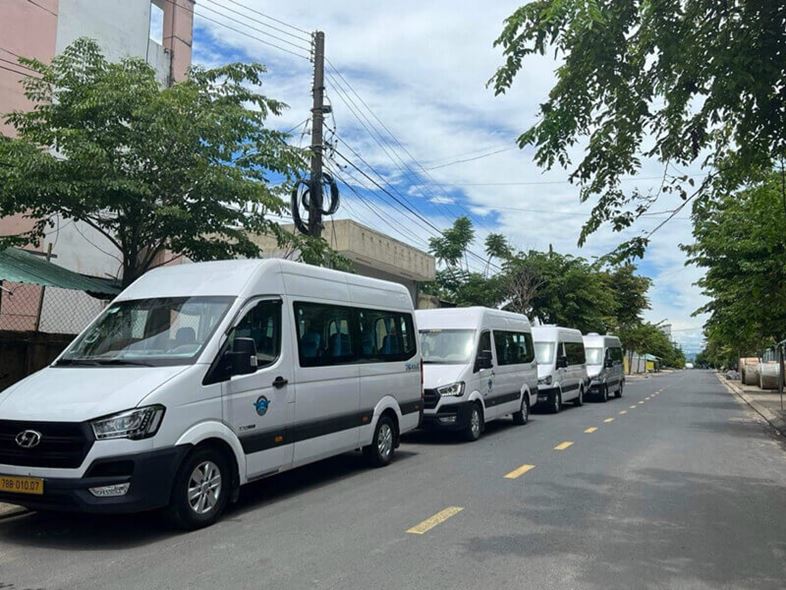
Thuê Xe Du Lịch 16 Chỗ Tại Buôn Ma Thuột – Lựa Chọn Hoàn Hảo Cho Chuyến Đi Đắk Lắk

Thuê xe du lịch tại Buôn Ma Thuột – Giải pháp tiện lợi cho hành trình khám phá Đắk Lắk

Dịch vụ thuê xe du lịch Đắk Lắk chất lượng cao – Giá tốt – Xe đời mới

Đến ngay top 9 địa điểm du lịch Buôn Ma Thuột đẹp mê hồn