
The Flamingo Casino, one of the most iconic resorts in Las Vegas, was founded by the notorious mobster Benjamin “Bugsy” Siegel. Born on February 28, 1906, mad-casinosuk.com in Brooklyn, New York, Siegel was a prominent figure in organized crime during the early to mid-20th century. His vision for the Flamingo was not merely to create a casino but to establish a luxurious resort that would attract high-profile clientele and transform the Las Vegas Strip into a premier destination for entertainment and gambling.
Siegel’s journey into the world of casinos began in the early 1940s when he became involved with the development of gambling operations in Las Vegas. His connections with the Mafia and other criminal organizations provided him with the necessary financial backing to embark on his ambitious project. In 1945, Siegel partnered with several mobsters, including Meyer Lansky and Frank Costello, to finance the construction of the Flamingo Hotel and Casino.
The Flamingo was designed to be a lavish establishment, featuring a tropical theme that included palm trees, gardens, and a swimming pool. It was named after Siegel’s girlfriend, Virginia Hill, who had a penchant for flamingos. The casino opened its doors on December 26, 1946, but the launch was met with challenges. The initial opening was considered a financial failure due to a lack of customers and operational issues.
Despite the rocky start, Siegel’s vision for the Flamingo began to materialize as he made several changes to attract more visitors. He implemented high-profile entertainment acts, including performances by famous musicians and showgirls, which helped to draw in crowds. Additionally, Siegel’s connections in the gambling world allowed him to offer attractive gaming options, further enhancing the casino’s appeal.
However, Siegel’s ambitious project was not without its controversies. The construction of the Flamingo faced significant delays and budget overruns, leading to tensions with his financial backers. By 1947, the casino was still struggling to turn a profit, and Siegel’s extravagant lifestyle and spending habits raised eyebrows among his associates. The pressure mounted as the casino continued to face financial difficulties, ultimately leading to Siegel’s downfall.
On June 20, 1947, Siegel was murdered in Beverly Hills, California, in a hit that was believed to have been orchestrated by his mob associates. His death marked a turning point for the Flamingo, which eventually came under the control of the Mafia and was successfully revitalized. The casino became one of the most successful gambling establishments in Las Vegas, setting the standard for future resorts on the Strip.
Today, the Flamingo Casino stands as a testament to Siegel’s vision and ambition, despite the tragic end to his life. It has undergone numerous renovations and expansions over the years, but its legacy as one of the original Las Vegas casinos remains intact. The Flamingo continues to be a popular destination for tourists and locals alike, embodying the spirit of the city that Siegel helped to shape.

Thuê Xe Du Lịch 16 Chỗ Tại Buôn Ma Thuột – Lựa Chọn Hoàn Hảo Cho Chuyến Đi Đắk Lắk

Thuê xe du lịch tại Buôn Ma Thuột – Giải pháp tiện lợi cho hành trình khám phá Đắk Lắk

Dịch vụ thuê xe du lịch Đắk Lắk chất lượng cao – Giá tốt – Xe đời mới
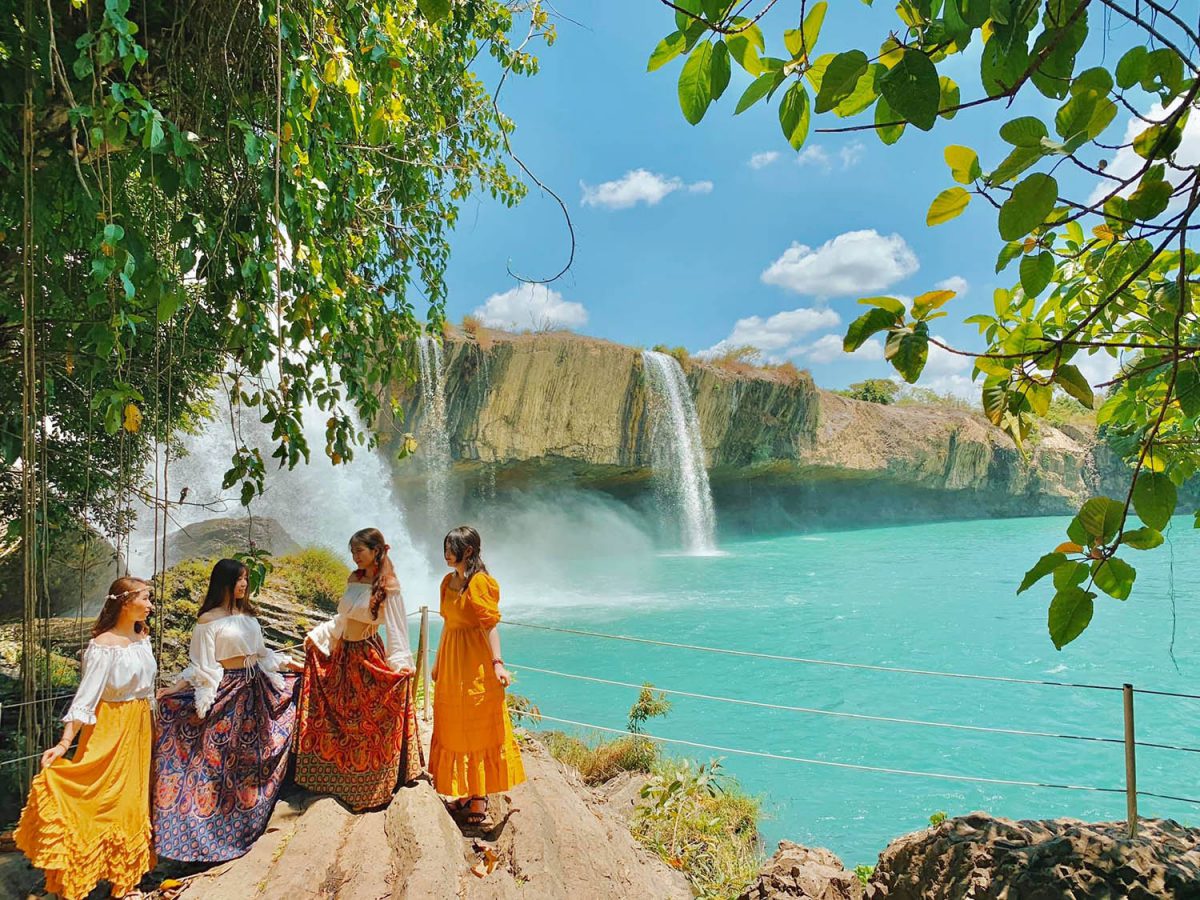
Đến ngay top 9 địa điểm du lịch Buôn Ma Thuột đẹp mê hồn